Understanding the psychology behind risk-taking in gambling decisions
The allure of gambling
The thrill of gambling has captivated individuals for centuries, drawing them into a world where risk and reward intermingle. At its core, gambling is not just about chance; it is deeply rooted in psychological factors that influence decision-making. Many people are attracted to the excitement of potentially winning large sums of money, which can evoke feelings of euphoria. This euphoric sensation often leads individuals to take risks they might not otherwise consider in their everyday lives, especially when exploring options like bitcoin casinos.
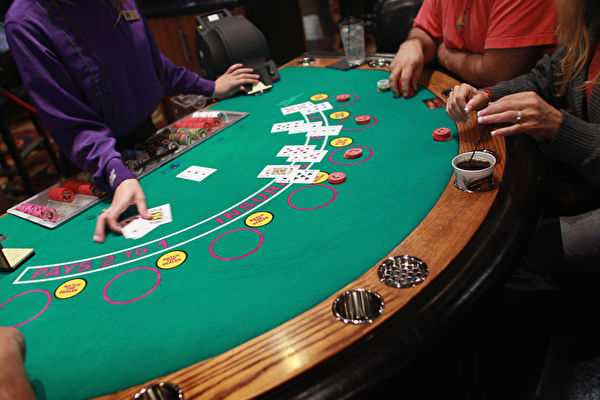
Furthermore, the environment in which gambling occurs can amplify this allure. Casinos, with their vibrant lights and enticing sounds, create a sensory experience that heightens arousal and encourages impulsive behaviors. The ambiance plays a crucial role in shaping the gambling experience, making participants feel like they are part of an exciting narrative where fortunes can change in an instant.
Cognitive biases and their impact
Understanding cognitive biases is essential for grasping why individuals take risks in gambling. One common bias is the illusion of control, where gamblers believe they can influence the outcome of a game through skill or strategy, even when outcomes are purely random. This misconception can lead to overconfidence in decision-making, prompting players to wager more than they should. Additionally, the gambler’s fallacy can mislead individuals into thinking that past events affect future outcomes, further perpetuating a cycle of risk-taking.
These cognitive biases can create a dangerous feedback loop. As players experience wins, even if they are purely due to chance, their confidence grows, leading to increased risk-taking. They may ignore warning signs and continue betting, convinced that their luck will hold. Understanding these psychological tendencies is vital for anyone looking to make informed decisions in the gambling realm.
The role of emotions in gambling
Emotions significantly influence gambling decisions, often driving individuals to take risks they may later regret. High-stakes environments can elicit strong emotional responses, from exhilaration during a winning streak to despair following a loss. These emotional highs and lows can cloud judgment and lead to impulsive decisions, as individuals may chase losses or gamble more aggressively when feeling invincible.
Moreover, emotions such as fear and excitement can trigger different behavioral patterns. Fear of missing out on a potential win can drive players to take greater risks, while excitement can lead to reckless betting. Understanding the interplay between emotions and decision-making is crucial for recognizing why individuals engage in risky gambling behavior, and for developing strategies to mitigate potential negative outcomes.
The social context of gambling
Gambling does not occur in a vacuum; social influences play a significant role in shaping individual behaviors and decisions. Peer pressure, social norms, and cultural attitudes toward gambling can encourage individuals to take risks. When individuals see friends or family members winning, they may feel compelled to join in, believing that they too can achieve similar success.
Additionally, social environments, such as casinos or online platforms, foster a sense of community that can amplify risk-taking behaviors. The presence of others can create a bandwagon effect, where individuals feel emboldened to gamble more or take higher risks. Understanding these social dynamics is essential for a comprehensive view of why risk-taking occurs in gambling contexts.

Exploring responsible gambling practices
As gambling becomes increasingly popular, understanding the psychology behind risk-taking can help promote responsible gambling practices. Education about cognitive biases, emotional influences, and social pressures can empower individuals to make more informed decisions when engaging in gambling activities. By fostering awareness, players can learn to recognize when their emotional or cognitive states may be leading them to take unnecessary risks.
Moreover, integrating responsible gambling resources into gaming platforms can provide players with tools to monitor their behaviors and set limits. Such practices encourage a balanced approach to gambling, helping individuals enjoy the excitement without falling into detrimental patterns. Understanding the psychology behind risk-taking is crucial for promoting a healthy gambling culture that prioritizes player well-being.